A deep dive into how point-of-sale materials and retail displays influence shopper decisions and enhance…
Promotions in the Age of Quick Commerce
How instant delivery is reshaping FMCG promotional strategy.
The rules of FMCG marketing are being rewritten in real time.
For decades, brands competed for attention in physical aisles, through shelf placement, displays, and in-store promotions. Today, that moment of decision has shifted to a screen. Consumers are no longer walking through stores; they are scrolling through apps, often with a purchase decision made in seconds.
With the rise of quick commerce platforms offering 10–15 minute delivery, convenience has become the primary driver of consumer behaviour. But this shift has also disrupted one of FMCG’s most powerful levers: traditional promotions.
In a world without aisles, how do brands stay visible?
From Shelf Visibility to Screen Visibility
In physical retail, visibility was about eye-level placement and standout displays. In quick commerce, visibility is dictated by algorithms, search rankings, and app interfaces.
The “digital shelf” is finite, curated, and highly competitive.
Products that appear in the first few scrolls capture the majority of attention, while those further down risk being completely overlooked. This makes platform partnerships, keyword optimisation, and sponsored placements critical components of modern FMCG promotion.
In essence, brands are no longer just competing for shelf space; they are competing for screen space.
The Death of Passive Discovery
Traditional retail thrives on browsing. Shoppers enter stores without fixed decisions and often make impulse purchases influenced by displays, packaging, and promotions.
Quick commerce eliminates much of that passive discovery.
Consumers open apps with intent. They search, select, and check out quickly. This compresses the decision-making window and reduces opportunities for spontaneous engagement.
As a result, promotions must shift from being interruptive to being integrated within the purchase journey.
Tactics such as:
- App-exclusive bundles
- Time-sensitive discounts
- “Frequently bought together” recommendations
- Personalised offers based on past purchases
They are becoming more effective than generic price-offs.
Speed as a Promotional Tool
In quick commerce, speed itself is part of the value proposition.
Brands can leverage this by aligning promotions with urgency. Limited-time deals, flash discounts, and hyper-local campaigns tied to specific delivery windows create a sense of immediacy that mirrors the platform’s promise.
For example, a beverage brand promoting “chilled delivery in minutes” during peak hours is not just selling a product; it is selling instant gratification.
This redefines promotion from a price incentive to an experience.
Data-Driven Precision
Unlike traditional retail, quick commerce platforms provide real-time data on consumer behaviour.
Brands can track:
- Search patterns
- Conversion rates
- Basket composition
- Repeat purchase behaviour
This allows for highly targeted promotions that evolve dynamically.
Instead of broad campaigns, FMCG brands can now deploy micro-promotions tailored to specific consumer segments, locations, and even times of day.
Integrating Digital and Physical
Despite its rapid growth, quick commerce does not exist in isolation. The most effective FMCG strategies integrate both digital and physical touchpoints.
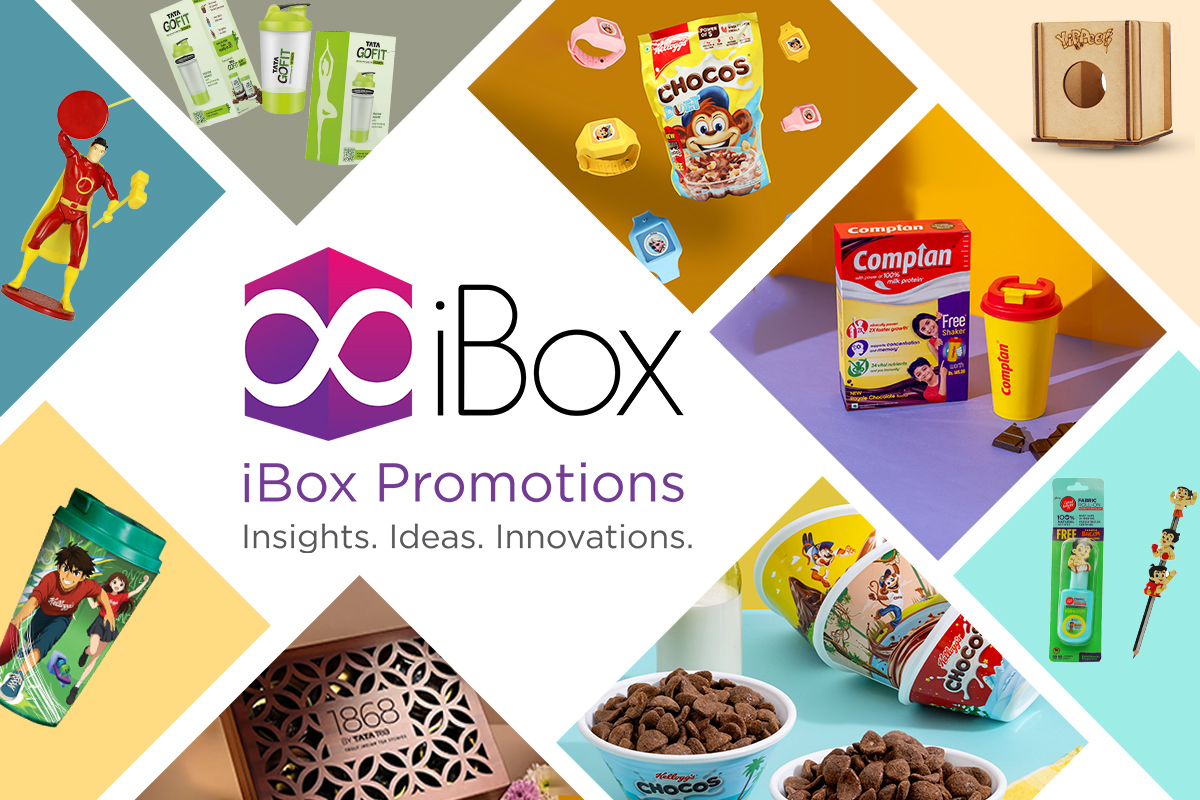
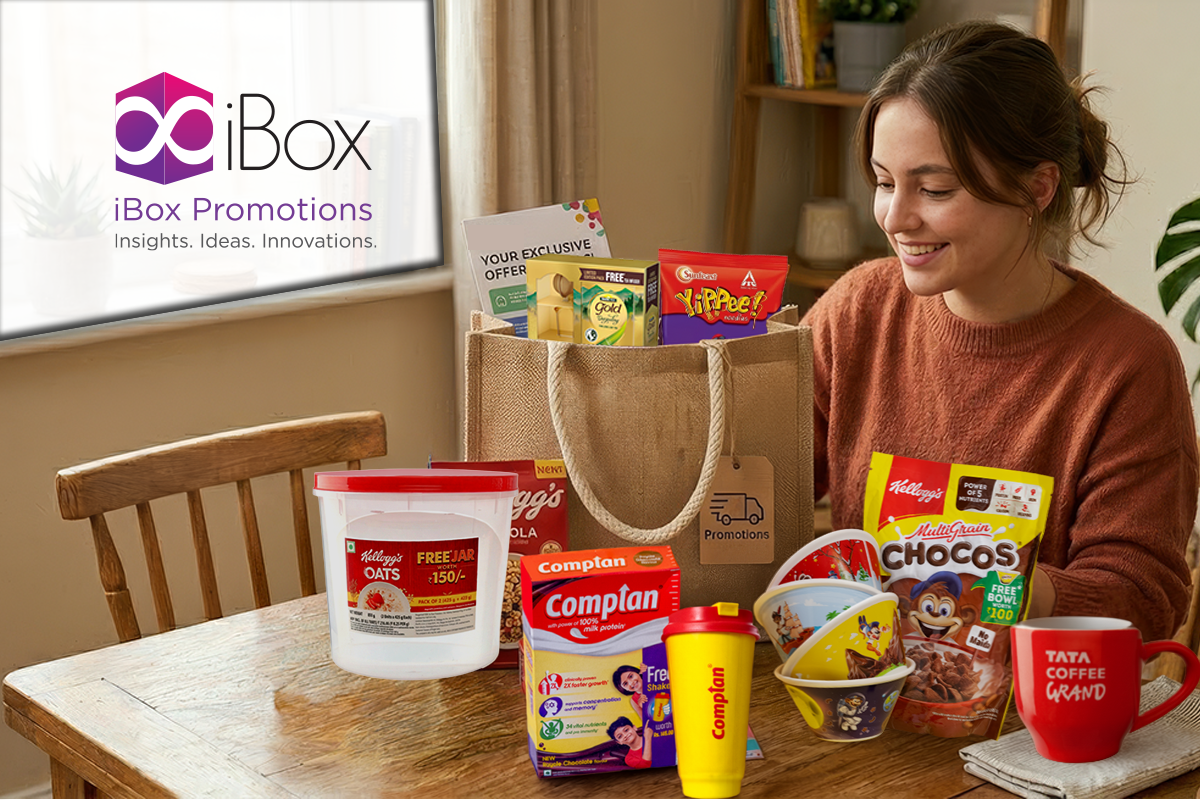
This is where promotional specialists such as iBox Promotions play an increasingly important role, helping brands translate digital visibility into meaningful engagement and consistent execution across channels.
A campaign might begin with digital discovery, be reinforced through social media, and culminate in repeat purchase driven by brand recall.
Rethinking the Role of Promotions
The shift to quick commerce challenges brands to rethink the very purpose of promotions.
It is no longer just about driving volume through discounts. It is about:
- Securing visibility in a crowded digital environment
- Influencing high-speed decision-making
- Creating seamless and frictionless purchase experiences
In this new landscape, success belongs to brands that understand one simple truth:
The aisle has not disappeared.
It has just moved into the palm of the consumer’s hand.
Related Posts